

MILD HYPERBARIC OXYGEN THERAPY
Hyperbaric oxygen therapy involves breathing over 90% oxygen while pressurising the body to pressures greater than normal.
HYPERBARIC OXYGEN THERAPY
Hyperbaric oxygen therapy involves breathing 100% oxygen while pressurising the body to pressures greater than normal.
WHAT IS MILD HYPERBARIC OXYGEN THERAPY?
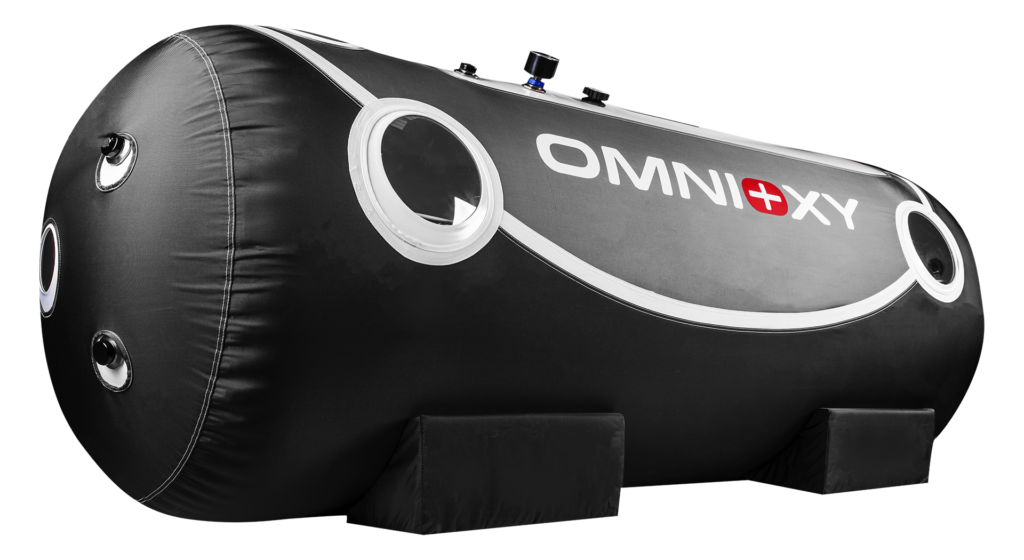
Mild Hyperbaric Oxygen Therapy (mHBOT) is a rejuvenating wellness experience designed to promote relaxation, vitality, and overall well-being. This process takes place in a comfortable, pressurised chamber where you breathe in oxygen-rich air (over 90%). The gentle increase in pressure allows oxygen to be more effectively absorbed into the bloodstream, enhancing circulation and oxygen delivery throughout the body.
By infusing the body with higher oxygen levels—up to 1,200% more—mHBOT supports natural recovery, helps reduce inflammation, and encourages cellular renewal. Many people turn to hyperbaric oxygen therapy as a way to boost energy, promote balance, and support overall wellness.

WHAT IS HYPERBARIC OXYGEN THERAPY?
Mild Hyperbaric Oxygen Therapy (mHBOT) is a rejuvenating wellness experience designed to promote relaxation, vitality, and overall well-being. This process takes place in a comfortable, pressurised chamber where you breathe in oxygen-rich air (over 90%). The gentle increase in pressure allows oxygen to be more effectively absorbed into the bloodstream, enhancing circulation and oxygen delivery throughout the body.
By infusing the body with higher oxygen levels—up to 1,200% more—mHBOT supports natural recovery, helps reduce inflammation, and encourages cellular renewal. Many people turn to hyperbaric oxygen therapy as a way to boost energy, promote balance, and support overall wellness.
BENEFITS OF MILD HYPERBARIC OXYGEN THERAPY
Boosts collagen production
Collagen is crucial to the health of your skin and other organs. It’s the most abundant protein in the body. Collagen makes up the majority of your connective tissue, including your muscles, tendons, and ligaments. HBOT stimulates collagen growth. This in turn promotes healing in people whose skin grafts have become compromised or are altogether failing. It also helps support healing for radiation injuries on the skin that may occur after cancer treatment has been completed.
Promotes wound healing
A breakdown in tissue can happen from infection or serious trauma. When a wound or injury occurs, blood vessels in that area can become damaged or severed. Damaged blood vessels can leak fluid deep into the fibers of the surrounding tissue, causing the cells to swell. The tissue surrounding the wound will begin to decay after an extended period of oxygen depravity. The additional oxygen pumped into the blood during therapy can help reduce swelling, allowing the tissue to be flooded with nutrients that support and stimulate healing. The body can then begin to heal the wound damage by attracting the endothelial cells needed to repair the wound.
Reduces the effects of harmful bacteria and toxins.
HBOT increases the concentration of oxygen in the blood that’s delivered to the tissues in your body. This promotes strong cells that stand a better chance of resisting infection. Sometimes bacteria can enter into places it doesn’t belong after being introduced to an open wound. If left untreated, this can cause severe damage.
Bacteria that enter the brain, spinal cord, or bone could pose very serious health risks. Exposing the bacteria to increased oxygen levels can help disable deadly toxins, as they cannot thrive in that environment. Diseases like actinomycosis and other bacterial infections don’t always readily respond to treatment. HBOT can boost white blood cells, making them more efficient at detecting infection and better at eliminating rogue invaders once they’re identified.
BENEFITS OF HBOC:
Reduces Pain and Swelling
Mild Hyperbaric Oxygen Therapy (mHBOT) is increasingly recognised for its ability to support natural healing and overall well-being. Many people experience chronic discomfort with no clear cause, particularly in the muscles and joints. mHBOT has been shown to promote relaxation, ease tension, and enhance mobility by helping to increase oxygen delivery to the body’s tissues. It can also support recovery from swelling and minor injuries by allowing oxygen-rich plasma to reach affected areas, encouraging the body’s natural healing response.
Supports Circulation and Recovery from Pressure Changes
For those exposed to significant pressure shifts, such as deep-sea divers or individuals working in high-pressure environments, oxygen therapy helps the body adapt and rebalance. By gently increasing and then normalising pressure levels, mHBOT supports circulation and helps the body release excess gases in a controlled manner.
Encourages Cellular Repair
When the body experiences stress or injury, tissues can become temporarily deprived of oxygen. mHBOT supports the body’s natural recovery mechanisms by enhancing oxygen availability, helping to nourish cells and promote healing. It also encourages the body’s antioxidant response, which may help neutralise oxidative stress and support overall tissue health.
Reduces pain and swelling
The use of HBOT has expanded beyond its original treatment of decompression sickness in deep-sea divers. It can provide healing for a host of issues. Chronic pain can come on suddenly with no warning or identifiable cause. HBOT has been shown to increase the quality of life in people who experience musculoskeletal pain in particular. Research participants reported increased pain thresholds and physical functionality, and a decrease in tender pain points. HBOT can also reduce swelling in wound injuries, allowing oxygen-rich plasma to reach the site of injury and accelerate healing. This process also revitalizes healthy tissue in deep wounds where the bone is exposed and the surrounding flesh is in necrosis.
Reduces gas-bubble obstructions
Air or gas bubbles in the blood can be fatal if not diagnosed and treated immediately. This typically happens to deep-sea divers or miners who work below sea level. The nitrogen bubbles released into the bloodstream as the body returns to sea level disrupt the flow of blood. They could potentially block an artery, causing a stroke or heart attack. Decompression forces the nitrogen bubbles to shrink and dissolve into the bloodstream. The pressure is then slowly lowered in the chamber, allowing the body to release the gas into the air, much like the resurfacing of a natural diver.
Prevents reperfusion injury
Reperfusion injury refers to damage that can take place once blood flow returns to tissue that has been oxygen-deprived for an extended period of time. For example, during a crushing injury, blood vessels become clamped off periodically and stop the flow of blood. The oxygen your tissue needs to heal itself is in that blood. The body reacts to the sudden injury and releases molecules that can do irreversible damage to the surrounding tissue. The tissue surrounding the injury gets flooded with inflammatory cytokines and other harmful chemicals, making it difficult to get healthy blood to those affected areas. This is the primary cause of tissue necrosis during injury. Introducing pressure therapy encourages the body’s free radicals to seek out and destroy the harmful molecules that are damaging the cells near the injury. Tiny blood vessels transfer oxygen to the tissue to promote healing.
Reduces pain and swelling
The use of HBOT has expanded beyond its original treatment of decompression sickness in deep-sea divers. It can provide healing for a host of issues. Chronic pain can come on suddenly with no warning or identifiable cause. HBOT has been shown to increase the quality of life in people who experience musculoskeletal pain in particular. Research participants reported increased pain thresholds and physical functionality, and a decrease in tender pain points. HBOT can also reduce swelling in wound injuries, allowing oxygen-rich plasma to reach the site of injury and accelerate healing. This process also revitalizes healthy tissue in deep wounds where the bone is exposed and the surrounding flesh is in necrosis.
Reduces gas-bubble obstructions
Air or gas bubbles in the blood can be fatal if not diagnosed and treated immediately. This typically happens to deep-sea divers or miners who work below sea level. The nitrogen bubbles released into the bloodstream as the body returns to sea level disrupt the flow of blood. They could potentially block an artery, causing a stroke or heart attack. Decompression forces the nitrogen bubbles to shrink and dissolve into the bloodstream. The pressure is then slowly lowered in the chamber, allowing the body to release the gas into the air, much like the resurfacing of a natural diver.
Prevents reperfusion injury
Reperfusion injury refers to damage that can take place once blood flow returns to tissue that has been oxygen-deprived for an extended period of time. For example, during a crushing injury, blood vessels become clamped off periodically and stop the flow of blood. The oxygen your tissue needs to heal itself is in that blood. The body reacts to the sudden injury and releases molecules that can do irreversible damage to the surrounding tissue. The tissue surrounding the injury gets flooded with inflammatory cytokines and other harmful chemicals, making it difficult to get healthy blood to those affected areas. This is the primary cause of tissue necrosis during injury. Introducing pressure therapy encourages the body’s free radicals to seek out and destroy the harmful molecules that are damaging the cells near the injury. Tiny blood vessels transfer oxygen to the tissue to promote healing.
The Bottom Line
Hyperbaric oxygen therapy (HBOT) can be a beneficial addition to a wellness routine, supporting the body’s natural healing processes. It may help with recovery, skin rejuvenation, and overall vitality. Individual experiences can vary based on factors such as lifestyle, age, and personal wellness goals. If you have any underlying health concerns, consider consulting a wellness practitioner to explore whether this therapy aligns with your needs.
The Bottom Line
HBOT can be beneficial in treating stubborn infections, wound healing, and even chronic pain. The outcome of the treatments depends on the location of the injury or infection, your age, any comorbid conditions, and when you begin treatment. Talk with a doctor or other healthcare professional to see whether this treatment is right for you.